

The role shading systems play in reducing energy consumption is beyond question, especially in warm climates with high summer temperatures. Modern shading solutions — such as new-generation awning fabric systems, pergola awnings and bioclimatic pergolas — aren't just an aesthetic addition to a home or business; they incorporate innovations that save energy and deliver real financial benefits.
Technological progress and energy performance
New fabric technologies and smart shading systems help reduce energy consumption by effectively filtering solar radiation and controlling the amount of light and air entering interior spaces. According to U.S. energy efficiency researchers, new-generation awning fabrics can reduce heat gain through windows by as much as 77%.
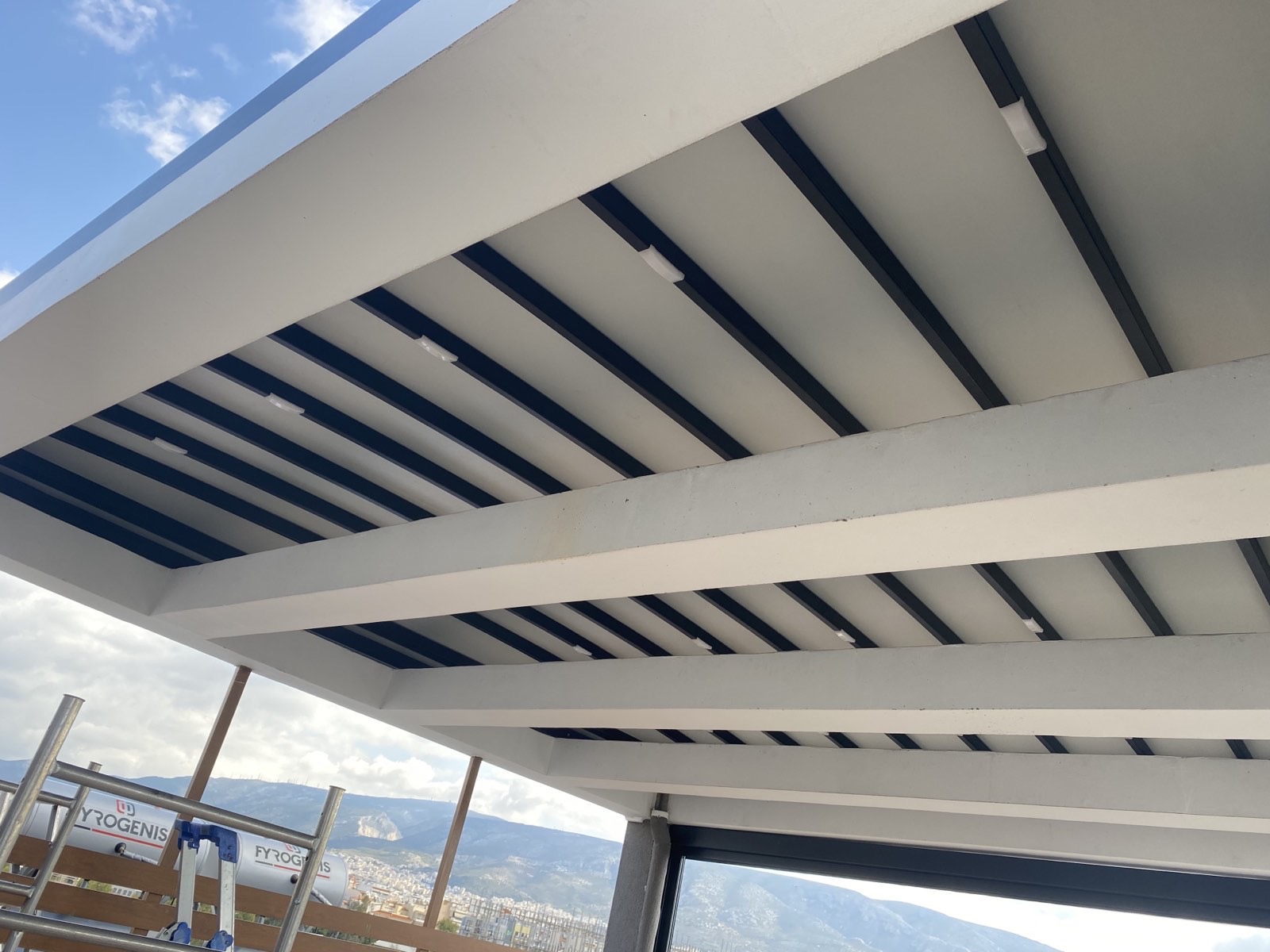
In addition, automated systems — such as bioclimatic pergolas with rotating louvres or pergola awnings — allow for the integration of sun sensors and automated controls that precisely regulate natural light and ventilation. In doing so, they play a significant role in maintaining comfortable temperatures both outdoors and indoors, reducing the need for air conditioning and, in turn, electricity consumption.
According to research by Guidehouse, a consultancy that advises public and private organisations worldwide, a comparison of solar shading against the use of air conditioning in buildings found that smart solar shading could reduce cooling-related energy consumption in European buildings by as much as 60% by 2050. That dramatic reduction would translate into 100 million tonnes fewer CO2 emissions, along with savings of up to €285 billion.
Solar panels and energy independence
Integrating solar panels into shading systems is an increasingly popular trend that combines power generation with shading, opening new pathways to energy independence. This approach turns shading systems into genuine energy systems that not only protect from the sun but also generate electricity — contributing to a building's energy independence while reducing its environmental footprint.
An investment in the future
Investing in a modern shading system is a smart move for tackling the energy challenges of the 21st century. As climate change drives higher temperatures and greater demand for cooling, shading systems offer a sustainable solution that supports both comfort and meaningful electricity savings.
This is backed by ES-SO, the European Solar Shading Organisation, which believes automated solar shading should be integrated into the EU's Energy Performance of Buildings Directive (EPBD), as it represents one of the best defences against climate change. ES-SO is calling on EU lawmakers to make solar shading mandatory as the first line of defence — ahead of energy-intensive cooling such as air conditioning — in the fight against building overheating.
Conclusion
Choosing to install a shading system on your property isn't just an aesthetic upgrade — it's a genuine investment that delivers a meaningful reduction in your energy bill. By cutting the need for mechanical cooling, modern shading systems can reduce energy consumption in your space by a significant margin.
At Tentoepiloges Chatzigiannis, we understand the challenges and demands of energy efficiency in the modern era. We're proud to offer solutions that not only enhance the comfort and aesthetics of a space but also help improve its energy performance. Keep your home cooler in summer and lower your electricity bill with a modern shading system.
Want to learn more?
Since 1974, we've designed and built custom shading solutions. Contact us for a free assessment.
Request a Quote